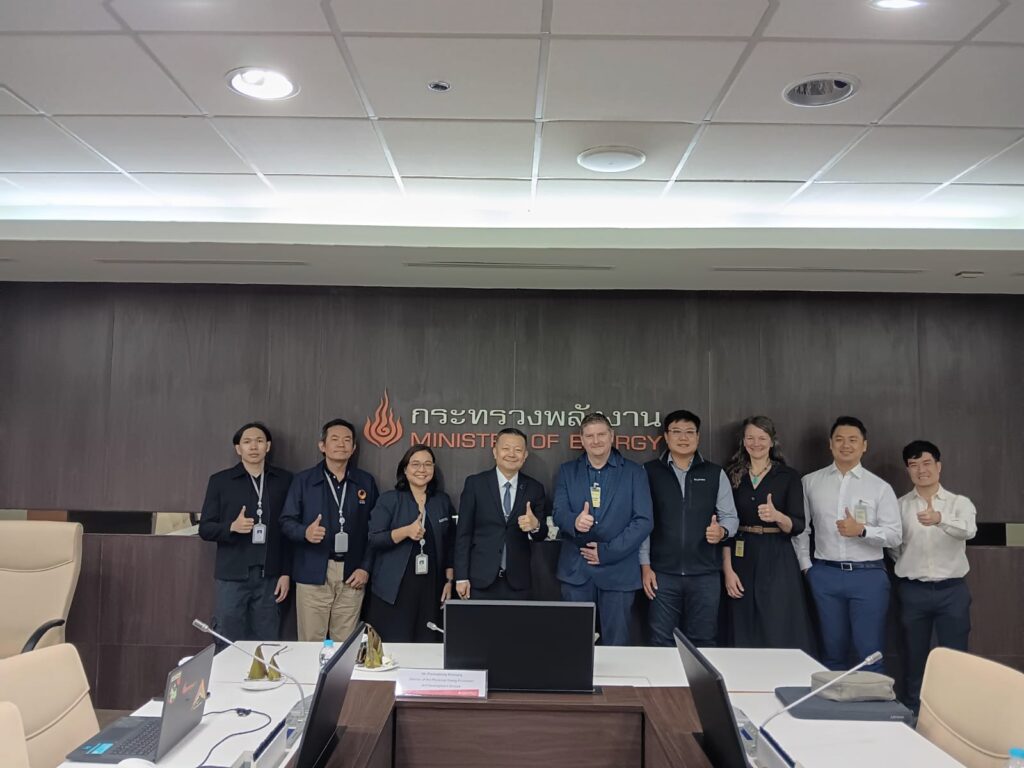
It won’t work without partners – A project visit to Thailand
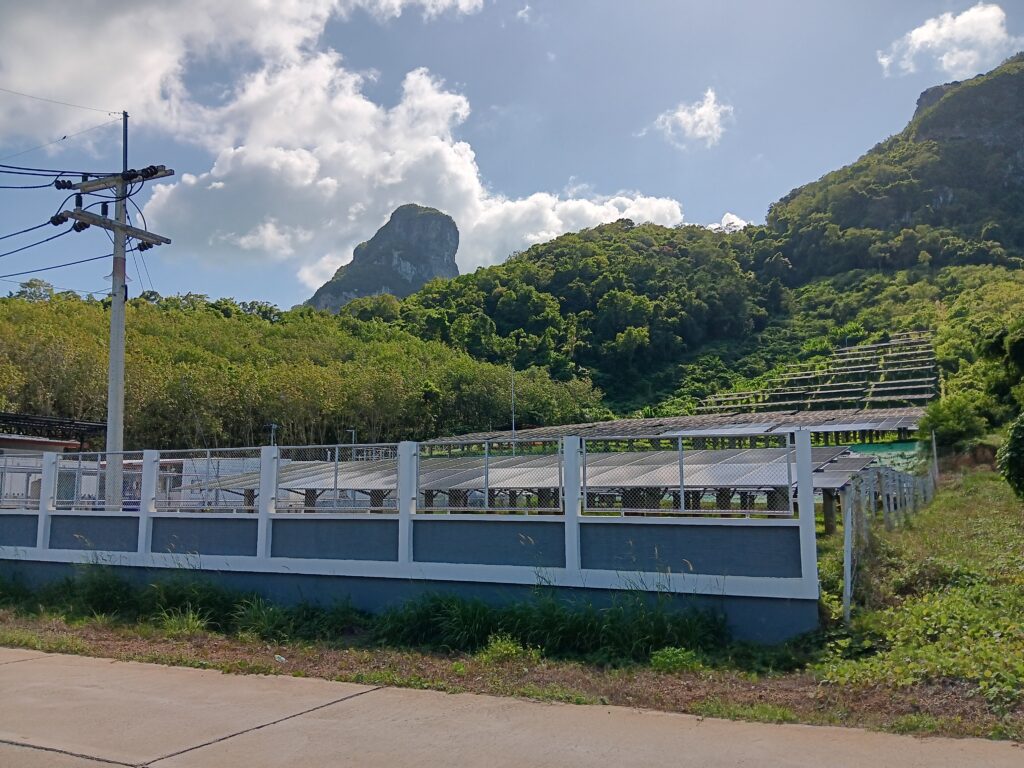
12th February 2026| How can green hydrogen be integrated into the renewable energy system of a Thai island as a storage component? RLI is working on this with partners in the Green-H2 Islands project on the island Koh Jik in Chanthaburi. RLI researcher Katrin Lammers from the unit Off-Grid Systems made her second project visit to Thailand in December 2025. Why are local partners important, and what skills does a consortium leader need? Katrin brings back these two important lessons from her trip.
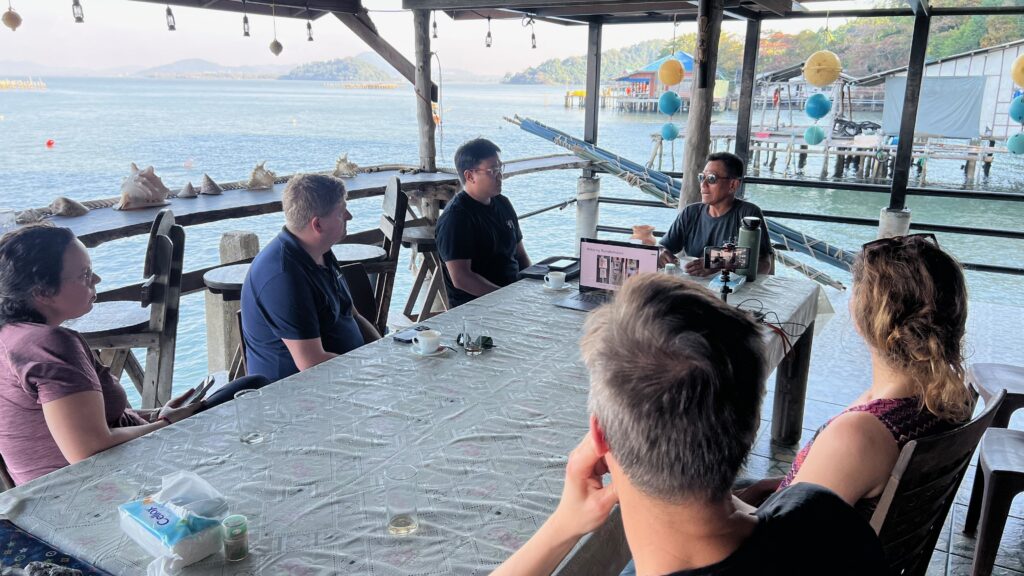
1. What role do local partners play?
Especially in international projects with geographical distance, it is important to have the right partners.
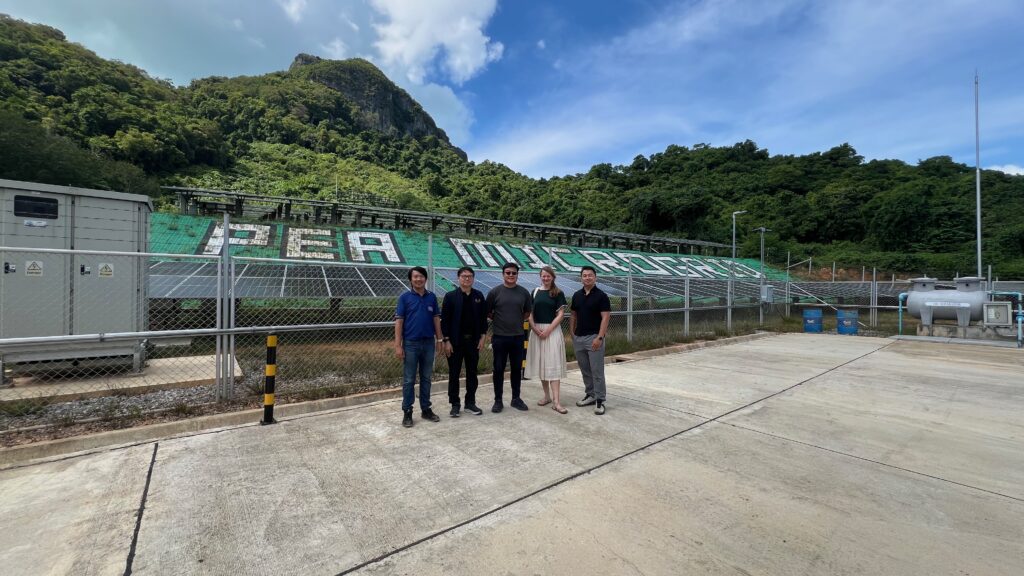
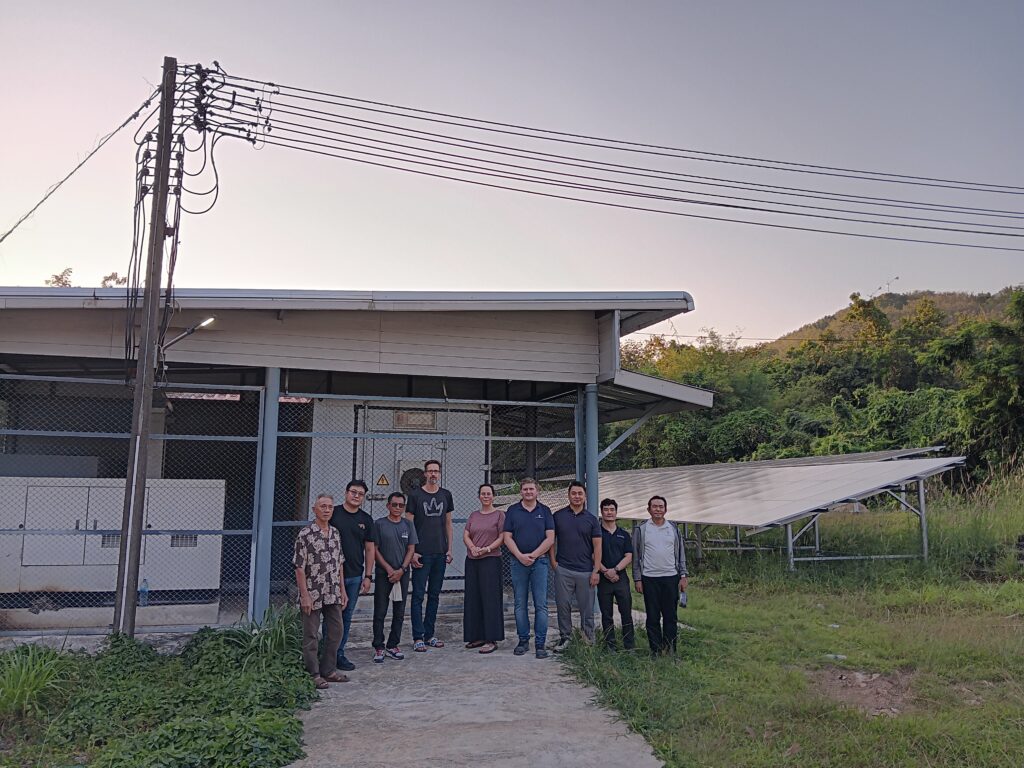
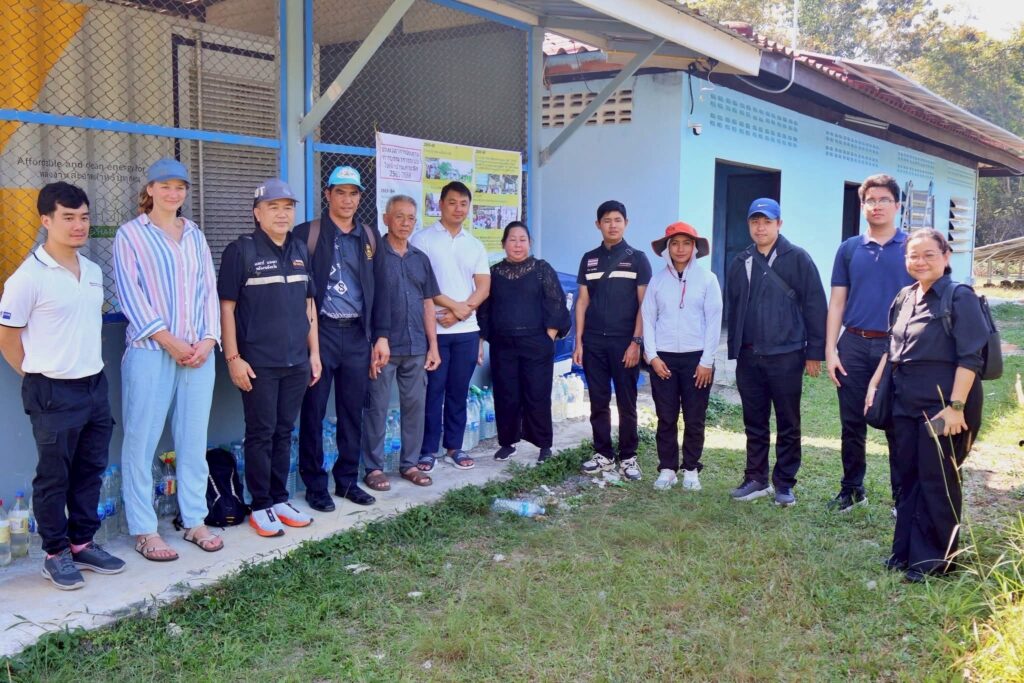
In this project, RLI is working with the Ministry of Energy – as demonstrated by Mr. Phirat Inpanich and Ms. Noppamass Buawichaisin from the Thai Ministry of Energy’s Office of Public Participatory Promotion, as well as Tanai Potisat from Koh Jik ReCharge: It is important to have local partners who approach people and have the necessary intuition and empathy to involve the local population.
Overall, it became clear what a strong consortium is working together here: motivated, committed people with whom it is a great pleasure to develop sustainable energy solutions for remote areas such as the Thai islands. These include H2 Power Cell (Sebastian Niehoff, Samuel Jacubasch, and Inthanon Phasue), Koh Jik ReCharge (Tanai Potisat), and the German-Thai Chamber of Commerce (Nupat Khusribanchong).
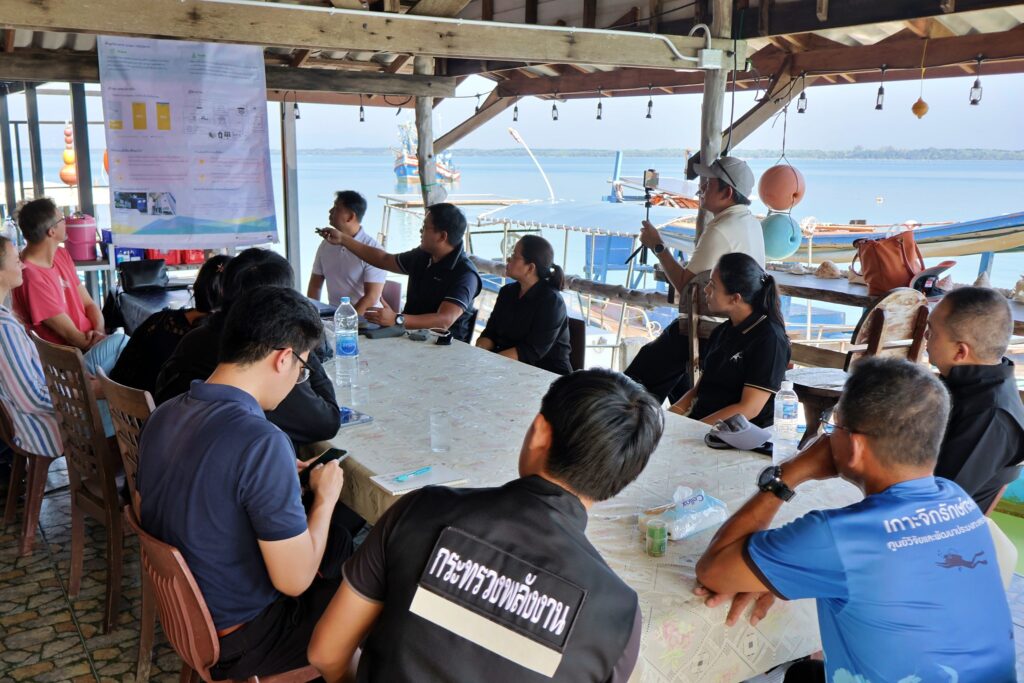
2. How can participation be successful?
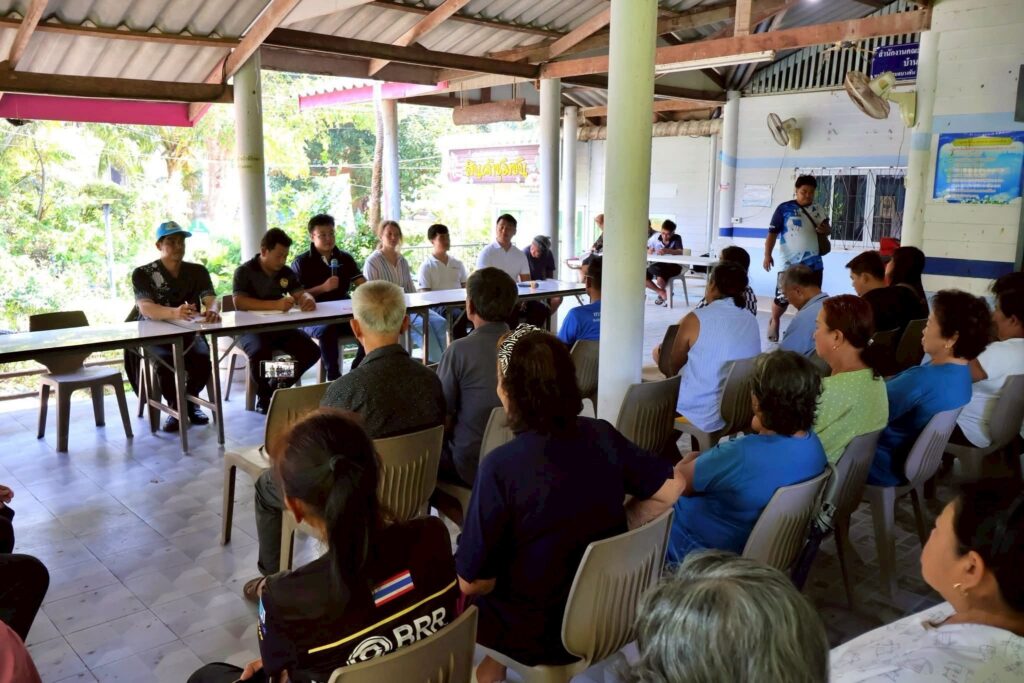
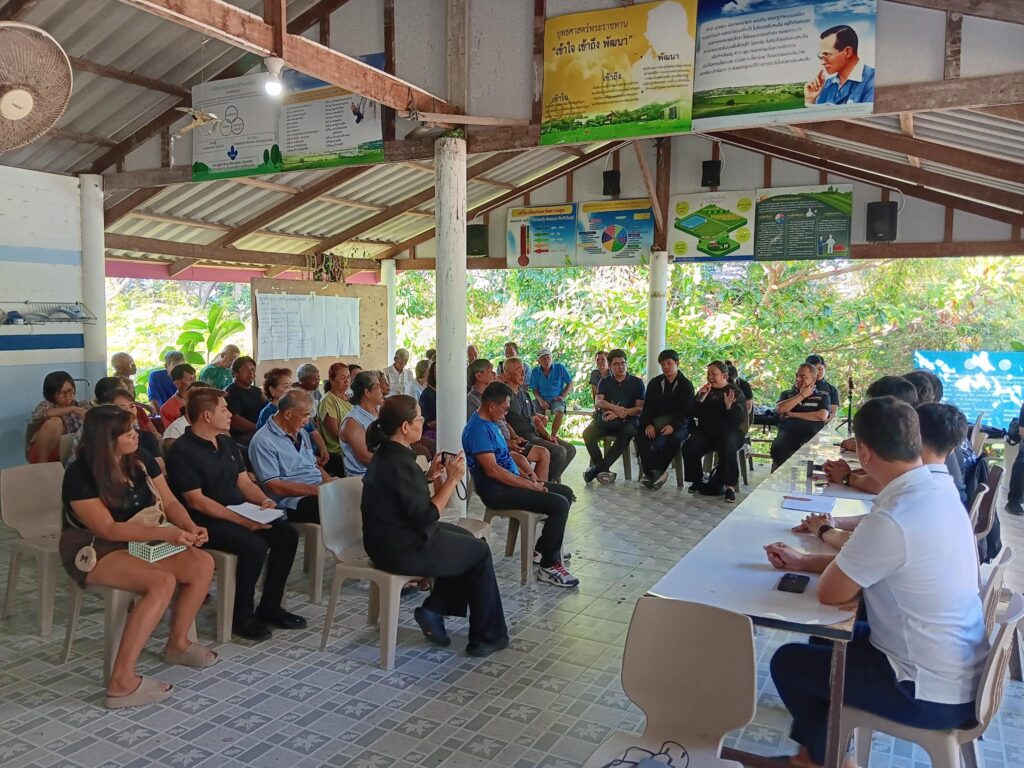
Participatory processes require time, patience, and many discussions. This makes them more sustainable in the long term. As consortium leaders, we need a high degree of flexibility – the ability to respond to changing conditions, remain calm in the face of developments beyond our control, and still work together constructively to find solutions. At the start of a project, it is not always possible to fully assess potential challenges, especially when it comes to local developments and changes.
However, it is possible to influence how these challenges are dealt with: which strategies are used to address them and whether everyone is pulling in the same direction. In the course of the collaboration, it has become clear that calm leadership is just as important as the trust that has grown over many years between the community and the consortium, and forward-looking risk management, in order to be successful together.
Photos: © Green-H2Islands