Olive Trees, Crescents, and New Insights – Project Trip to Tunisia
May 26th, 2026 | How can agriculture become more resilient to climate change? In the RLI project SustAgri, researchers are working with local partners, farmers, and research institutes to find an answer. The project partners met in Tunisia for a workshop with stakeholders. What did they experience there?
Gaining direct insights on the ground into the work of those at the heart of the project: farmers. For the SustAgri project, Clara Neyrand and Julian Fleischmann, researchers in the Off-Grid Systems research division, traveled to Tunisia at the end of March. In the project, the team is developing sustainable agroforestry systems for the Mediterranean region to strengthen agricultural resilience. To this end, they are combining and testing traditional and innovative agricultural practices and developing a digital planning tool for agroforestry systems. Four partner countries are collaborating on the project: Germany, Italy, Algeria, and Tunisia.
Theoretical Knowledge and Practical Experience
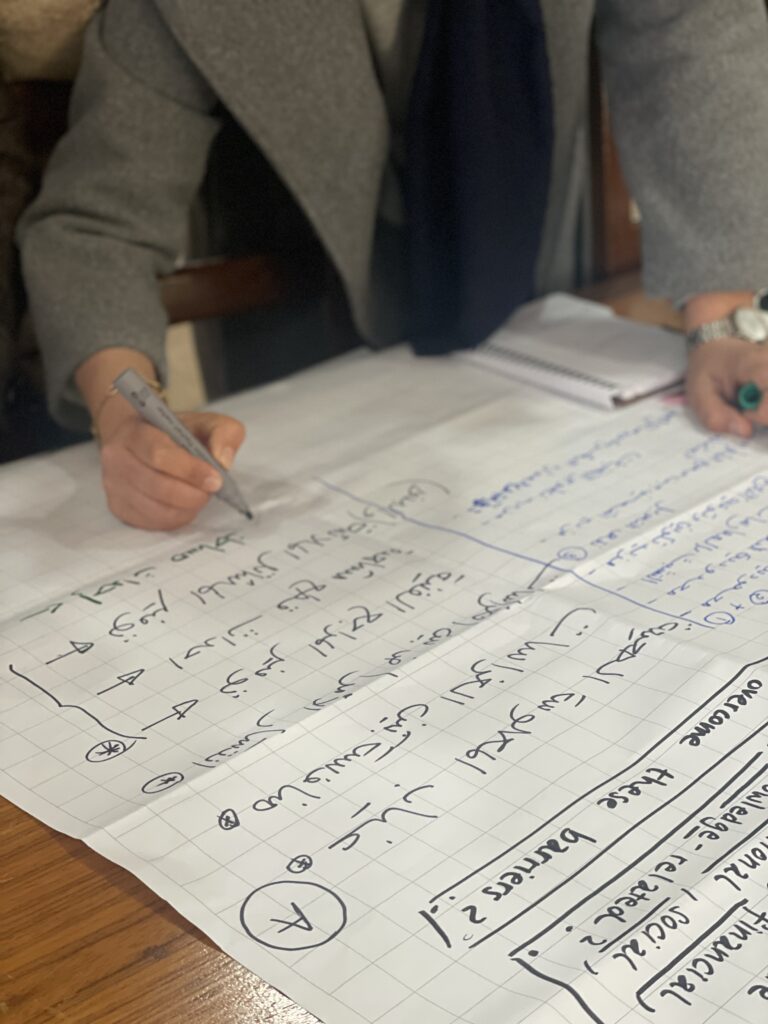
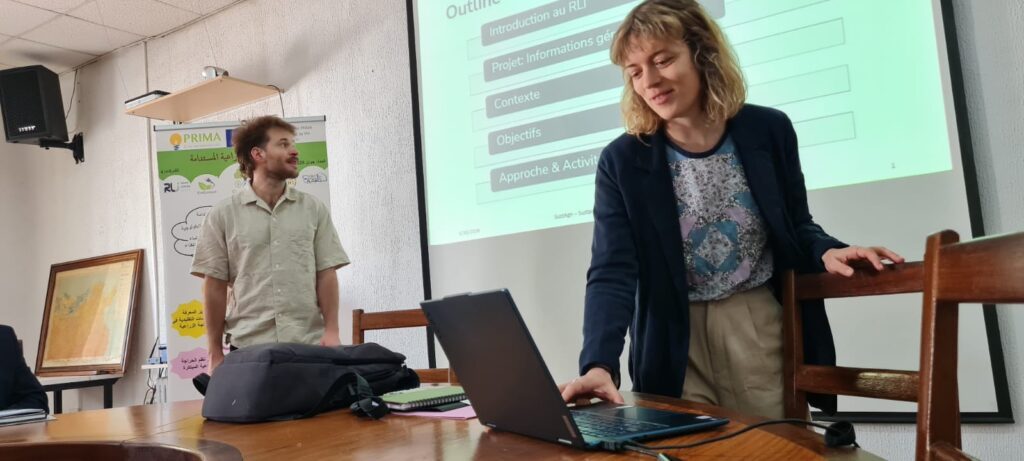
In Tunis, the Tunisian project partner, the Institut National Agrononomique de Tunisie (INAT), organized a stakeholder workshop. The aim of the workshop was to identify the challenges facing agroforestry systems in Tunisia and to explore how research can support them. What made the workshop unique was that many stakeholders worked and discussed together: government representatives, farmers, and researchers.
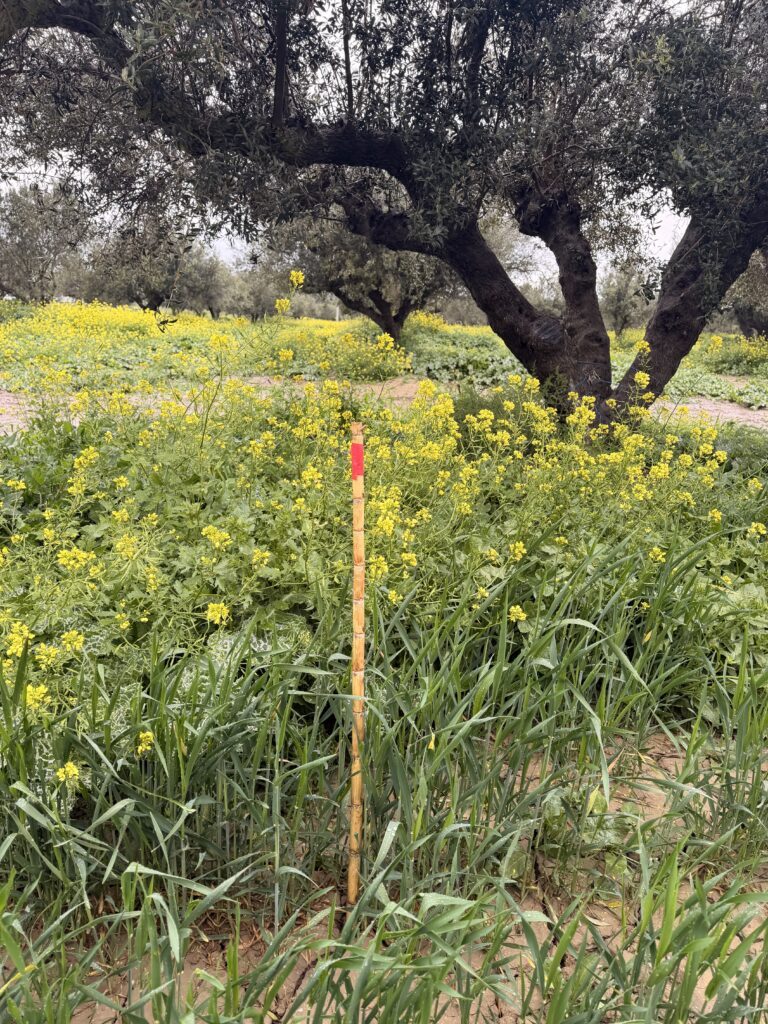
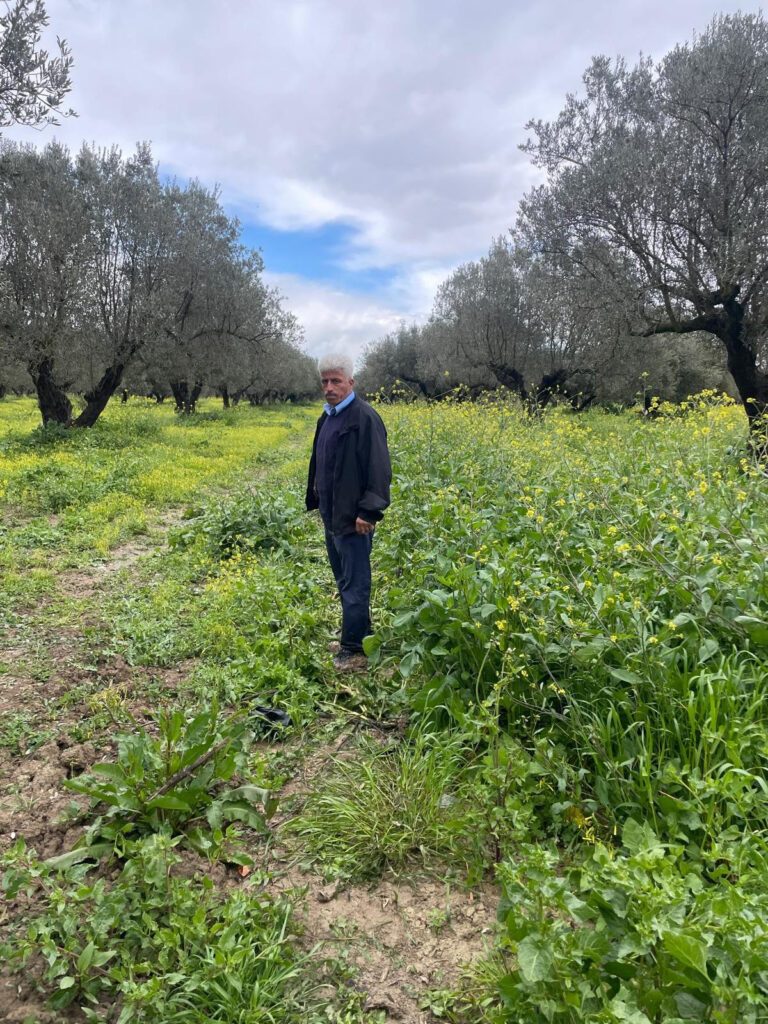
In addition to theoretical work, there were also very practical insights: a visit to the Living Lab in the Zaghouan region. The Living Lab is a kind of experimental space, a farm where various crops are grown on a trial basis and the effects of different agroforestry techniques are tested and observed. Afterward, the researchers conducted interviews with farmers and gathered feedback on the planned planning tool.
Demi-Lunes, capacity building, and carob trees: The scientists are bringing this new knowledge back to the project
- A great deal of local knowledge already exists, but it is important to have examples like the Living Lab where testing can take place and where farmers can directly see and share results and experiences. There was a particularly strong call for capacity-building measures.
- The project team also learned about traditional water retention methods. These include so-called crescent-shaped structures, also known as demi-lunes. These are semicircular micro-retention basins that slow surface runoff and direct water specifically toward trees or shrubs.
- The researchers also learned which plants can be used in agroforestry systems in the Mediterranean region; for example, aromatic plants such as geranium and mint can be combined with olive trees. Drought-resistant trees such as the carob tree offer potential for reforestation and could simultaneously strengthen new local value chains, for example as a sustainable alternative to cocoa.
More information about the project is available on the project page.